Introduction
The Benazir Income Support Program (BISP) has made significant updates to the Benazir Kafalat Program, bringing relief to millions of women across Pakistan. With rising inflation, many beneficiaries were eagerly awaiting news of an increase in the financial assistance they receive. This article provides detailed information on the payment increase, eligibility criteria, payment checking methods, and other key updates related to the Kafalat program.

Benazir Kafalat Program: Payment Increase in August 2025
The announcement of the Benazir Kafalat Program payment increase has been a major development for eligible women across Pakistan. If you are a recipient of this financial assistance, you may be wondering how the new updates will impact you. Here’s a breakdown of what’s new:
- Quarterly Payment Increase: BISP has officially increased the Kafalat stipend from Rs. 13,500 to Rs. 14,500. This increase aims to provide better support to families facing economic challenges in light of inflation.
- Implementation Timeline: Although the increase has been announced, the payment increase will take effect starting January 2026. Therefore, recipients will see the full payment of Rs. 14,500 with the first installment of the new year.
Eligibility Criteria for the Benazir Kafalat Program
If you want to benefit from the Benazir Kafalat Program, you must meet certain eligibility criteria. These include:
- Monthly Household Income: Your family’s income should be below Rs. 50,000.
- Residency: You must be a permanent resident of Pakistan.
- Valid Identification: A Pakistani CNIC and a registered mobile number are required.
- No Government Employment: No one in your family should be employed by the government.
- Property Ownership: You should not own any significant property or vehicles.
- Widowhood or Disability: If you’re a widow, a death certificate of your husband is needed. Similarly, if you or a family member have a disability, a disability certificate is mandatory.
- Previous Disqualification: If you were disqualified from the program in the past, you cannot reapply for at least three years.
Meeting these criteria ensures that you are eligible for the program and can benefit from its financial support.
How to Check Your Payment Status for Benazir Kafalat Program
BISP has made it easy for beneficiaries to check their payment status using various methods:
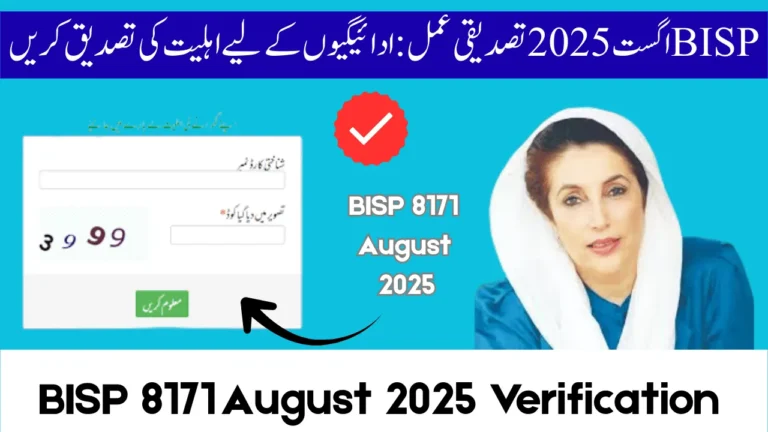
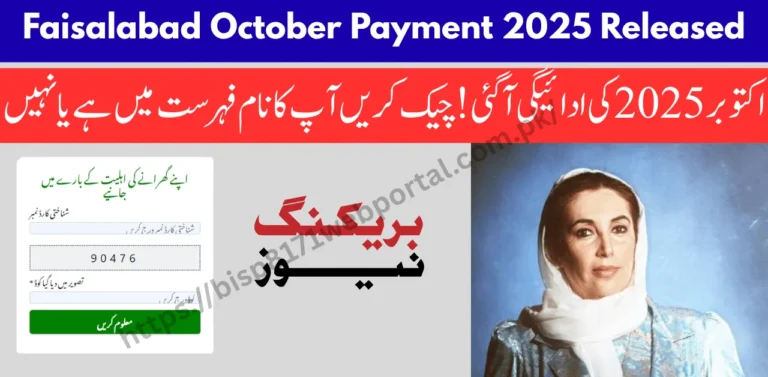
- Online Portal (8171 Portal): Simply visit the BISP 8171 portal to check the status of your payments. This method is convenient for those who are familiar with internet usage.
- SMS Service (8171): For those who do not have internet access, BISP has introduced an SMS service. Just send your CNIC number to 8171 from your registered mobile phone to instantly receive your payment details.
These services make it easier for you to stay informed and updated about your Benazir Kafalat Program payments.
FAQs:
Q1: When will the payment increase take effect?
The payment increase will be implemented starting from the January to March 2026 installment.
Q2: How much has the payment increased?
The quarterly stipend has been increased from Rs. 13,500 to Rs. 14,500, which is an additional Rs. 1,000 per installment.
Q3: Can I still apply for the Benazir Kafalat Program if I was disqualified earlier?
If you were disqualified from the program, you cannot reapply for at least three years from the date of disqualification.
Q4: How can I check if I’m eligible for the payment increase?
You can verify your eligibility by visiting the BISP portal or sending an SMS with your CNIC to 8171.
Conclusion
The Benazir Kafalat Program is a vital support system for many women in Pakistan. With the recent payment increase, eligible beneficiaries will now receive Rs. 14,500 per quarter, which is a much-needed boost during tough financial times. By meeting the eligibility requirements and using the available payment checking methods, you can easily stay updated on your financial assistance.
For more details or any queries, feel free to comment below. The Benazir Kafalat Program continues to play a crucial role in improving the financial stability of deserving families across Pakistan.