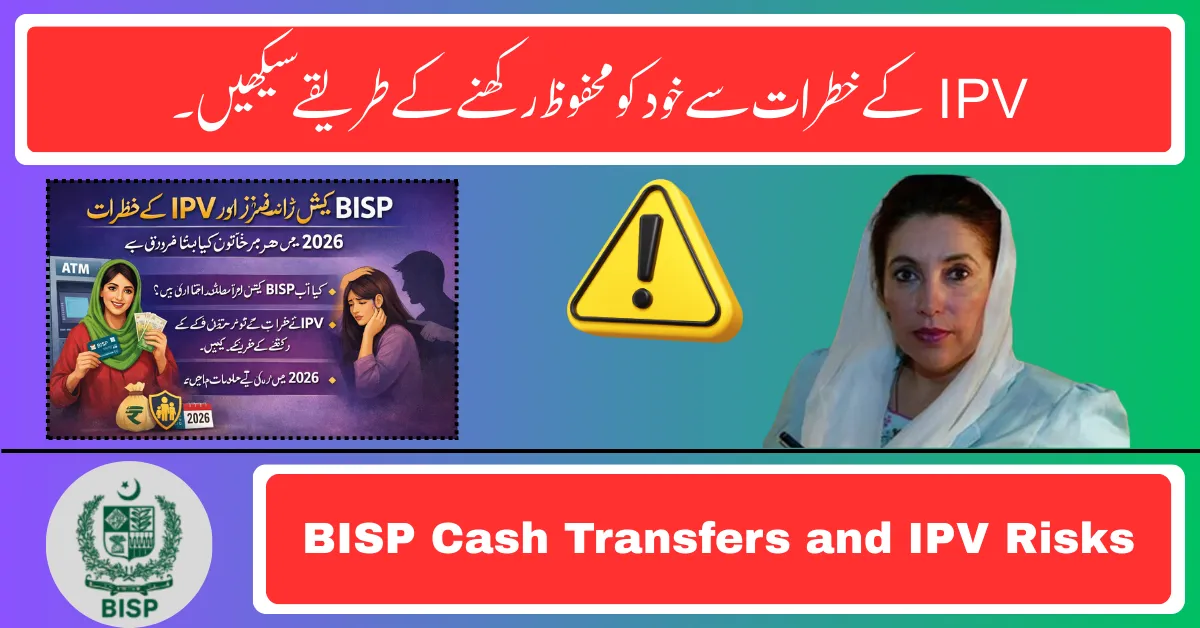
The Benazir Income Support Program (BISP) has been a critical lifeline for millions of low-income families in Pakistan. By providing unconditional cash transfers, it directly supports women and their families, helping them overcome financial hardships. However, as we move into 2026, this program is undergoing significant changes that may affect not only the beneficiaries’ access to financial assistance but also their safety. With rising concerns about intimate partner violence (IPV), it’s essential to understand the link between cash transfers and IPV risks. This article dives deep into how BISP impacts women’s safety, what risks are emerging, and how women can protect themselves.
What is BISP and How Does it Help Women?
The Benazir Income Support Program (BISP) is Pakistan’s flagship social safety net aimed at alleviating poverty. By directly transferring cash to the women heads of households, it provides them with much-needed financial independence and autonomy.
Through this direct assistance, BISP has played a crucial role in:

-
Empowering women by giving them control over household spending.
-
Reducing financial stress, which often leads to conflict in the home.
-
Improving family well-being, helping families access better health, nutrition, and education.
As of 2026, BISP has started updating its eligibility list, removing certain beneficiaries, and undergoing re-verification. While the program’s objective remains to uplift women, these changes raise concerns regarding the risks of domestic violence and IPV for those who may lose access to the cash transfers.
The Connection Between Cash Transfers and IPV
Financial Dependence and Violence
Financial dependency on a partner often heightens intimate partner violence (IPV). Without access to independent income, women may feel trapped in abusive relationships, unable to leave or defend themselves. The BISP cash transfers are specifically designed to break this cycle of financial control, thereby providing a buffer against IPV.
Research shows that women who have direct control over money experience:

-
Increased decision-making power, reducing the potential for conflict and violence.
-
A higher sense of self-worth, leading to less acceptance of abuse.
However, the re-verification process and the loss of support for some beneficiaries could reverse these gains and potentially increase IPV risks.
Risks of Losing Financial Independence
As BISP updates its list, some families may lose financial support, leading to:
-
Increased stress within the household due to financial uncertainty.
-
Pressure from male family members to hand over cash support or to reallocate the funds, creating a power imbalance that can lead to violence.
-
The possibility of women being re-controlled by abusive partners once financial autonomy is removed.
These factors could heighten domestic violence, especially for women who already face economic challenges.
Benefits of BISP for Women
Reduces Domestic Conflict
By providing regular financial support, BISP helps reduce household tensions related to economic issues. This is critical because financial stress is often a leading cause of family conflict and can escalate into violence.
Strengthens Women’s Autonomy
Direct cash transfers to women give them greater autonomy in managing household finances. This empowerment helps women make key decisions about their families’ health, education, and overall well-being without the influence of controlling partners or family members.
BISP 2026 and IPV: Key Concerns
The introduction of BISP’s re-verification process in 2026 has sparked discussions about how the program might affect women’s safety. Some areas of concern include:
| Key Concern | Impact |
|---|---|
| Loss of Financial Assistance | Women may lose access to financial support, leading to increased stress and control by male partners. |
| Reconfirmation of Eligibility | The verification process might exclude vulnerable women, leaving them exposed to economic and physical abuse. |
| Reduced Access to Support Networks | Women who lose BISP support might feel isolated and lack the resources to seek help. |
| Increased Dependence on Male Partners | Women may feel pressured to rely on male family members, increasing the potential for IPV. |
How Can Women Protect Themselves in 2026?
-
Stay Informed: Keep track of the BISP re-verification process and ensure eligibility to continue receiving support.
-
Seek Financial Independence: Explore alternative income sources, savings programs, and skills development to create long-term financial security.
-
Know Your Rights: Understand the legal protections against IPV in Pakistan and where to report abuse.
-
Reach Out for Support: If you’re experiencing abuse or stress, contact women’s shelters, support organizations, or social workers for guidance and assistance.
-
Build a Support Network: Strengthen connections with friends, family, or community groups to provide emotional and practical support in times of need.
Final Words
While BISP has played an essential role in empowering women and reducing IPV risks, the ongoing 2026 changes could expose many women to new vulnerabilities. Loss of financial independence and increased stress within the home could escalate IPV risks. Women need to be proactive about securing their financial future, staying informed about changes in the program, and seeking help when needed. By taking these steps, they can continue to thrive and protect themselves from increasing domestic violence risks.
FAQs
Q1: What is BISP, and how does it help women?
A1: The Benazir Income Support Program (BISP) is a government initiative in Pakistan that provides cash transfers to low-income families, focusing on empowering women. These transfers reduce financial stress, help women make decisions, and decrease the likelihood of domestic conflict and violence.
Q2: How could the 2026 changes to BISP increase IPV risks?
A2: The 2026 changes, such as re-verification of beneficiaries, might cause some women to lose their support, increasing stress and dependency on male partners. This could lead to greater control and violence in the home.
Q3: What can women do to protect themselves in light of these risks?
A3: Women should stay informed about their BISP eligibility, seek financial independence, understand their legal rights, and reach out for support if needed. Additionally, building a strong support network can provide emotional and practical help during difficult times.